𝐒𝐂𝐎𝐓𝐔𝐒 𝐏𝐫𝐨𝐭𝐞𝐜𝐭𝐬 𝐌𝐚𝐫𝐢𝐣𝐮𝐚𝐧𝐚 𝐔𝐬𝐞𝐫𝐬' 𝐒𝐞𝐜𝐨𝐧𝐝 𝐀𝐦𝐞𝐧𝐝𝐦𝐞𝐧𝐭 𝐑𝐢𝐠𝐡𝐭𝐬
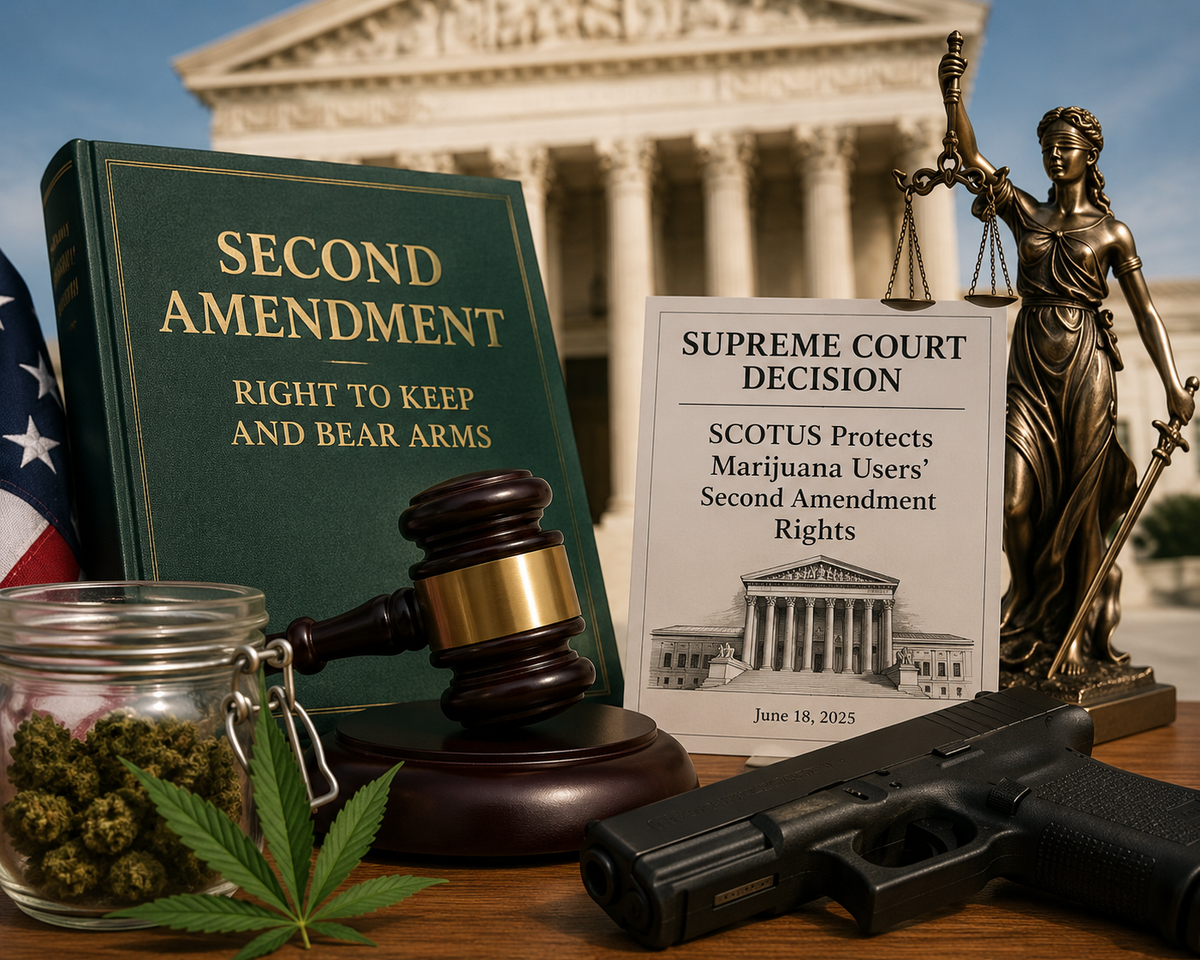
𝐒𝐂𝐎𝐓𝐔𝐒 𝐏𝐫𝐨𝐭𝐞𝐜𝐭𝐬 𝐌𝐚𝐫𝐢𝐣𝐮𝐚𝐧𝐚 𝐔𝐬𝐞𝐫𝐬' 𝐒𝐞𝐜𝐨𝐧𝐝 𝐀𝐦𝐞𝐧𝐝𝐦𝐞𝐧𝐭 𝐑𝐢𝐠𝐡𝐭𝐬
In a unanimous decision issued June 18, the Supreme Court held that the federal government may not automatically prosecute a regular marijuana user for possessing a firearm without running afoul of the Second Amendment. The case arose from the 2022 arrest of Ali Hemani, a dual U.S.-Pakistani citizen living in Denton County, Texas, whose home was searched by FBI agents who discovered a Glock 9mm pistol, marijuana, and cocaine; Hemani acknowledged using marijuana roughly every other day. The government charged him under 18 U.S.C. § 922(g)(3), which bars "unlawful users" of controlled substances from owning firearms, but the Court — applying the historical-tradition test established in New York State Rifle & Pistol Association v. Bruen — found no sufficiently analogous founding-era regulation to sustain the charge. Justice Neil Gorsuch, writing for all nine justices, stressed the ruling's deliberately narrow scope: the Court did not facially invalidate the statute but held that the government cannot disarm a person solely on the basis of intermittent marijuana use absent evidence of contemporaneous intoxication or particularized dangerousness. Gorsuch noted that marijuana is now legal in some form in 40 states, a societal shift that fundamentally alters the constitutional calculus. The ACLU, which filed an amicus brief on Hemani's behalf, called the ruling a significant vindication of rights for tens of millions of Americans who use marijuana in states where it is lawfully permitted. Federal prosecutors will now face a substantially higher burden in § 922(g)(3) cases, as mere status as an occasional user will no longer suffice to sustain a charge. The decision accelerates the broader post-Bruen judicial reexamination of federal gun laws, several of which remain actively challenged in circuit courts across the country. Firearms compliance practitioners — particularly those advising clients in states with legalized cannabis — should treat this ruling as a threshold shift requiring immediate review of existing risk assessments.

Comments ()